Clay shooting apparel has lived in a strange middle ground for years: either you wear traditional tweed and stiff shooting vests, or you buy into modern “lifestyle” brands promising technical, athletic performance for the range.
To see where the bar is currently set, we went incognito. We ordered gear from two recognisable names in the British shooting scene – one established brand that markets heavily across social media and one newer boutique label.
Here’s what happened…
Brand 1: The established heavyweight
If you scroll through social media in the UK, you’ve seen this brand. They pitch themselves as modern, slick and built for purpose.
We ordered a men’s performance base layer priced at £55 – punchy but a price worth paying if the quality’s right. At checkout, a mandatory £6 delivery fee was slapped on top without any alternatives. Annoying, but nothing to cry about.
Knowing compression-style gear can run small, we intentionally ordered an XL (a full size up from our normal L).
A week later, the plot thickened. At 7:30 PM on a weekday, the phone rang.
It was a representative from the brand calling to advise that their sizing runs very small because – in his own words – “the fit isn’t great on our products.”
When we pointed out we had already sized up, he suggested we purchase a second top in 2XL so we could compare fits and send one back. “Are returns free?” we asked. “No, you’d cover that cost.”
Paying double upfront plus return shipping because a brand admits its own tailoring is off wasn’t quite the elite customer service we anticipated. We politely declined and asked for the XL we had ordered.
It got worse when the gear arrived...
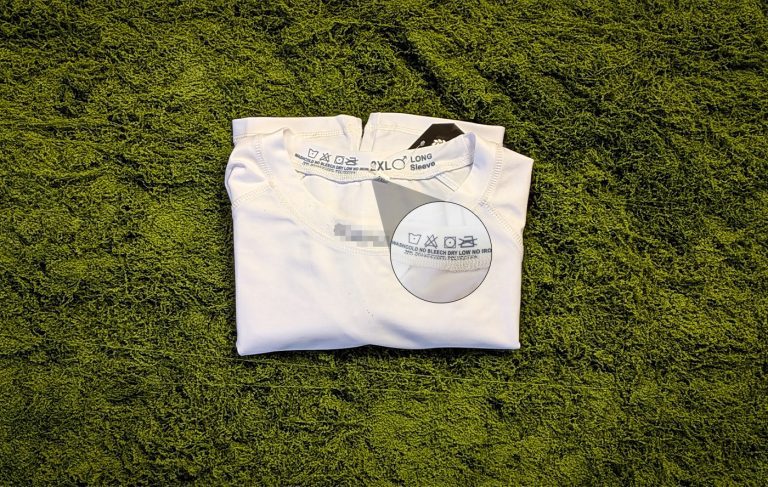
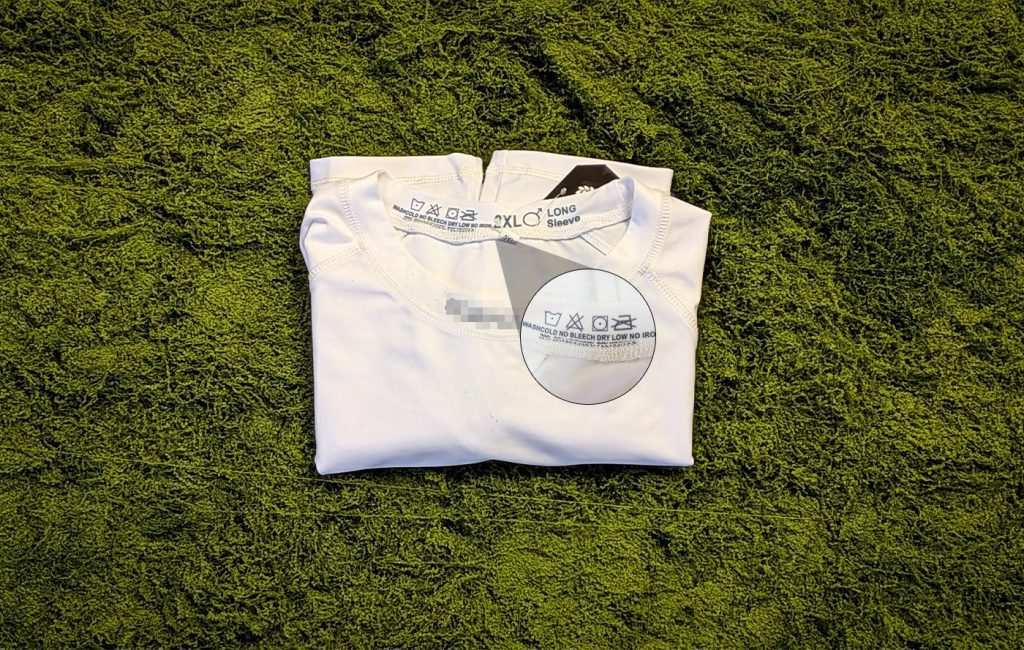
A few days later, the package landed. It arrived in a generic, cheap, off-the-shelf plastic mailing sack. Inside that? Another layer of factory-sealed clear plastic – the exact film packaging used for shipping bulk freight out of overseas factories. Two layers of non-recyclable plastic for one garment isn’t great for the environment, but the bigger surprise was inside: they sent the 2XL anyway.
Pulling it out of the bag, the first thing that hit was the smell: distinct, musty and faintly smoky, like it had spent six months at the bottom of a shipping container.
Then came the fit test, and it was bizarre. The shoulders were strangely baggy, the torso clung uncomfortably tight and the body dropped far too low.
Still, performance on the stand is what counts so we took it to the layout a few days later.
Composed of an 80% polyester and 20% spandex blend, the fabric offered zero dynamic breathability. Within three stands, body heat was trapped against the skin. Worse, the cut bound tightly across the upper back during the mount, actively fighting gun movement on crossing targets. By the end of a 100-bird round, the garment had soaked up sweat and smelled pretty gross.
The final kick in the teeth came a few weeks later. While researching technical fabrics, we spotted the exact same garment – identical cut, panel stitching and fabric blend – listed on alibaba.com for under $10 a piece.
The only difference? A printed logo and a 500% markup.
Brand 2: The boutique startup
For balance we also placed an order with a smaller, newer label in the space whose aesthetic leans heavily into minimalist, Japanese-inspired design.
Here, the oversized unisex sweater we ordered was much better. It arrived in a neatly packaged recyclable cardboard box – a noticeable improvement in presentation. The cut was decent, though the feel of the fabric raised an eyebrow over the eco-cotton claim as listed on their storefront. The internal label said different…
The issue here was the clock.
Two full weeks passed after payment with absolutely no tracking updates. When we sent a polite email asking for an ETA, the brand founder responded to say they were away on holiday and would drop the parcel at the post office when they got back. It turned up a week later, giving the distinct impression of a small print-on-demand operation caught off-guard by an order.
To be entirely fair, early supply-chain headaches and logistics growing pains happen to every young brand. We have no doubt we’ll battle our own teething issues as we scale. But when you’re building kit for shooters who plan their weekends around registered shoots and range days, reliable fulfilment matters.
Shooters deserve better
We all know that clay shooting isn’t a passive hobby. It requires calculated gun mount, explosive rotational movement, split-second visual focus and hours spent in unpredictable weather.
Slapping a logo on cheap wholesale polyester isn’t technical apparel engineering. And leaving customers waiting three weeks for a casual layer because nobody is minding the shop doesn’t cut it either.
Shooters spend serious money on cartridges, gun fit, coaching and competition fees. The apparel you wear in the stand shouldn’t fight your swing, overheat on station three, or arrive with an apology about its own sizing before it even leaves the warehouse.
These experiences merely solidified why we are engineering our ranges from the ground up whilst building an exemplar of service.
We aren’t here to rebadge cheap foreign blanks or push lifestyle graphics that fall apart after three washes.
It’s purpose-driven kit: tailored for dynamic gun movement, cut from breathable high-performance fabrics and backed by straightforward, reliable service.
The bar is currently sitting on the floor: it’s time it was raised it to where it should be.
Hold our beer.